

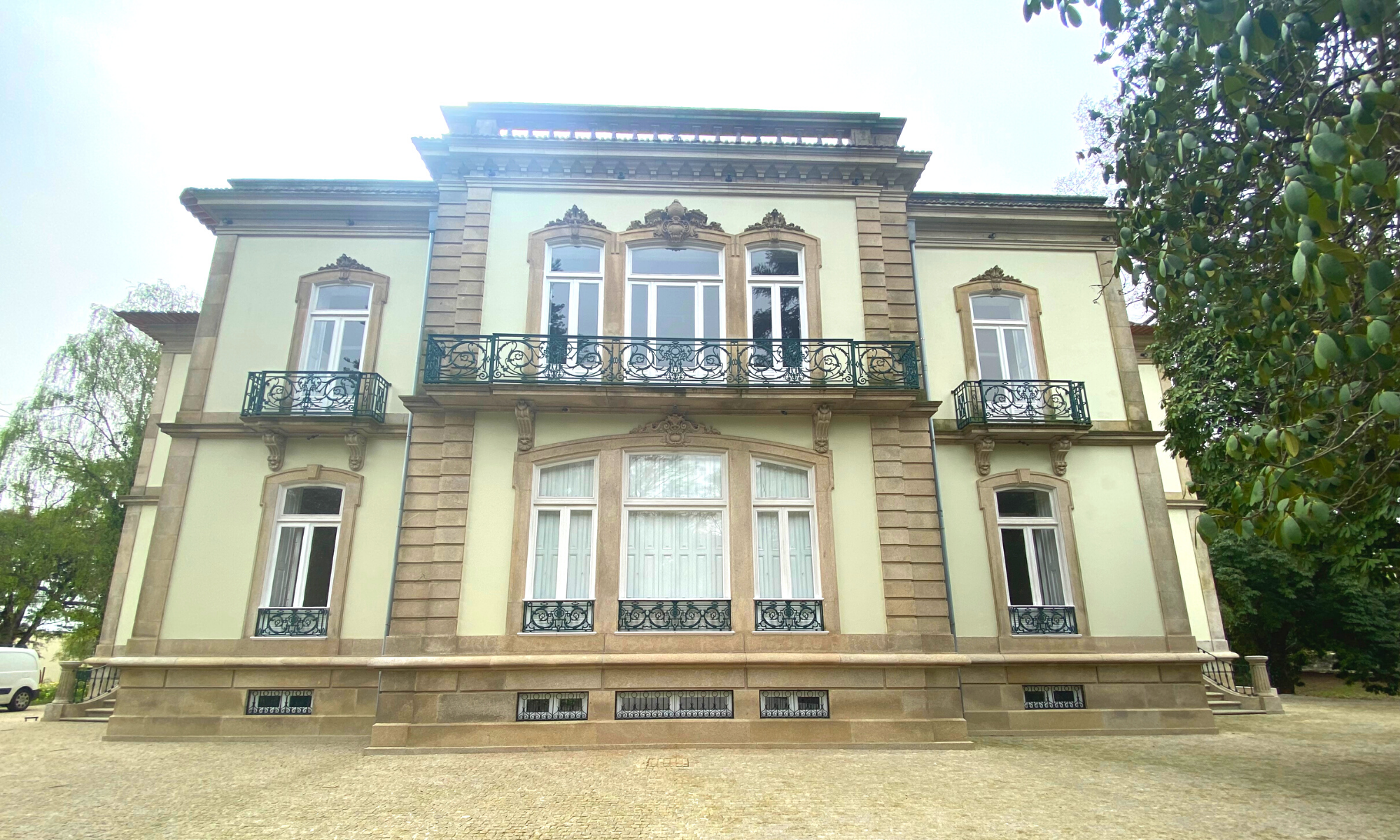
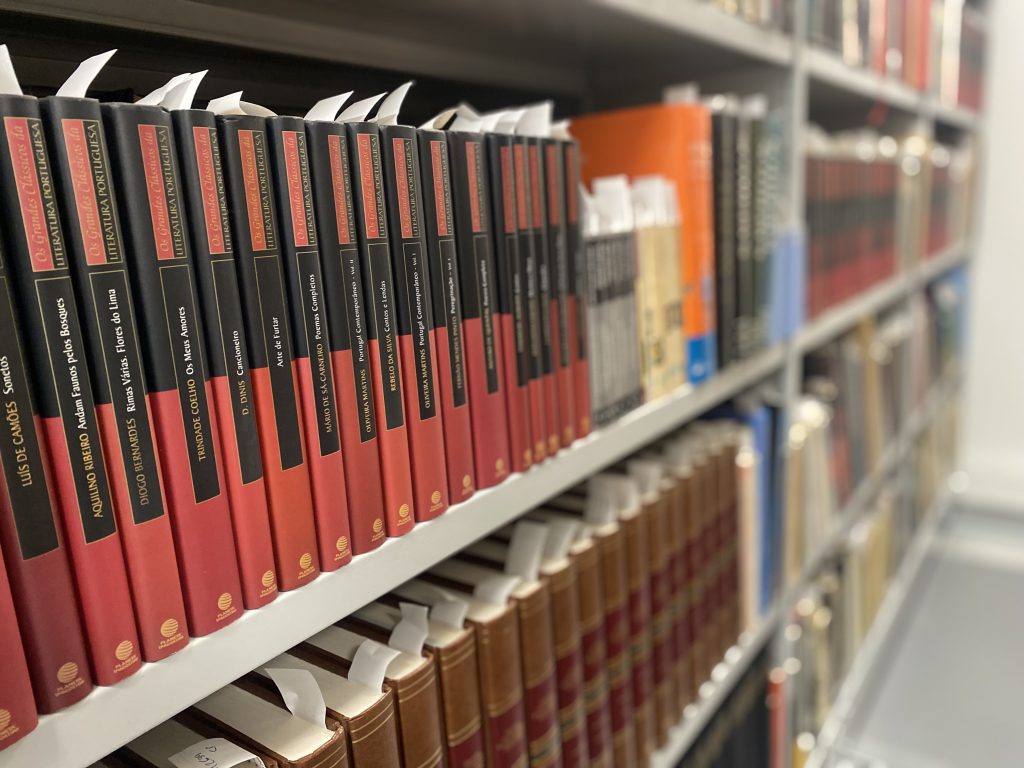
- To support the study and promotion of the legacies, alongside with FLUP’s research units, by stimulating multidisciplinary perspectives and emphasizing the author’s cultural relevance and their texts, both at a national and international level;
- To promote broad access and communication activities and appreciation of the collections under its care, namely through exhibits, free courses, literary meetings, guided tours, and other activities to promote the cultural dimension of the collections and, Portuguese literature in general;
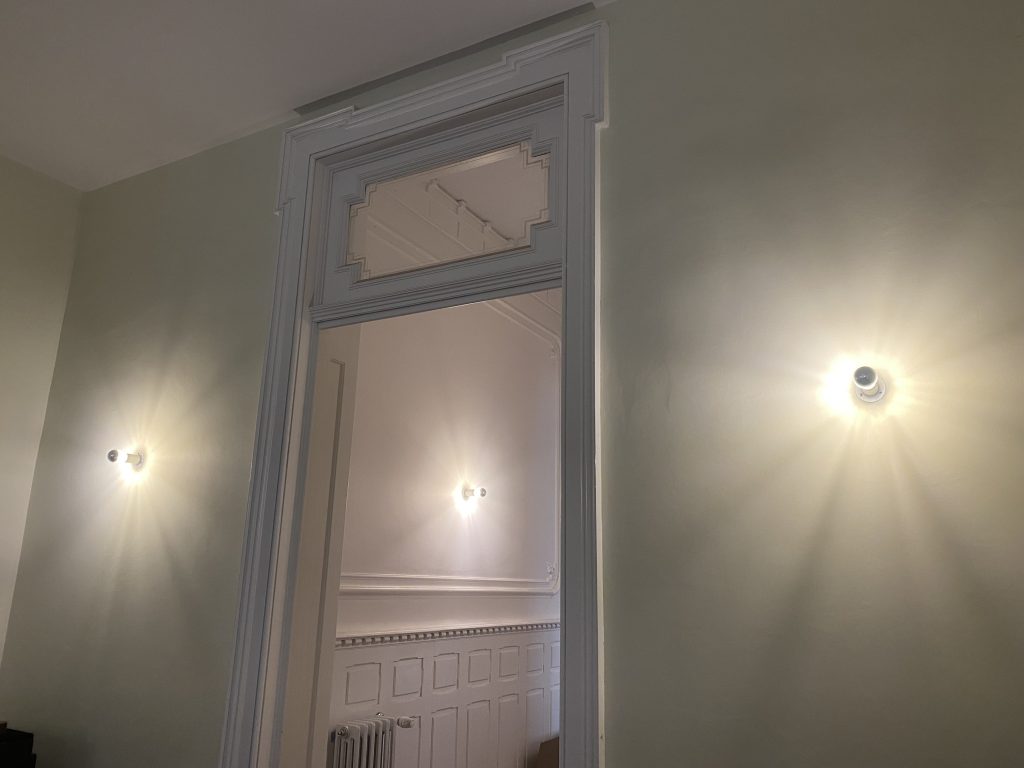
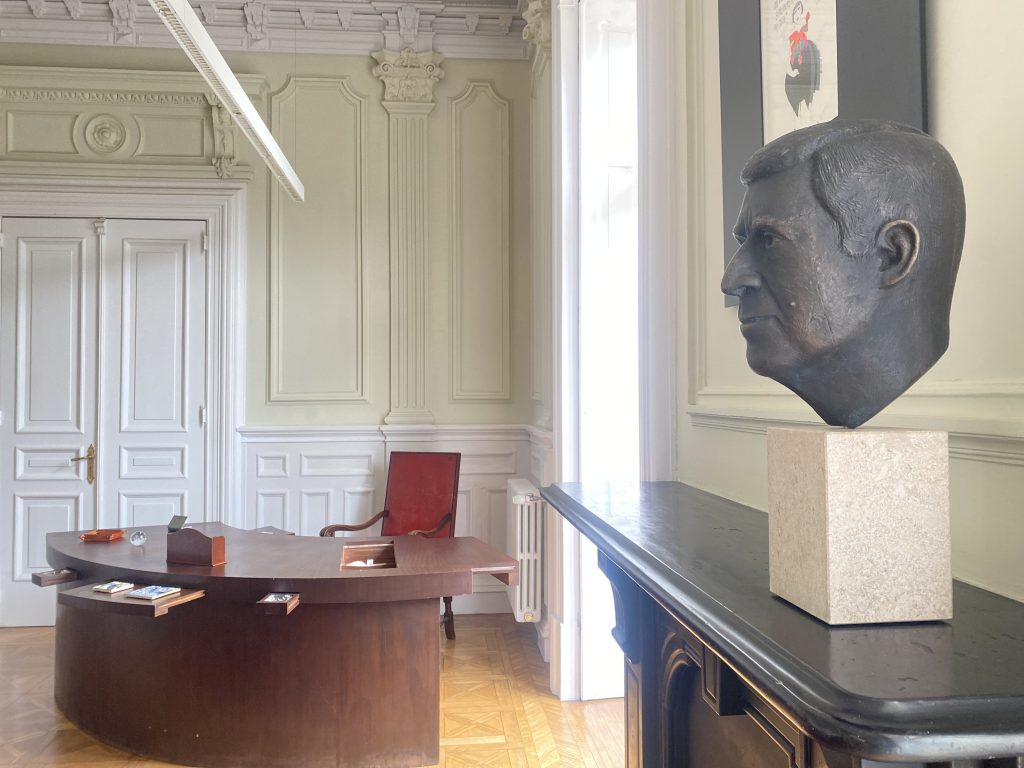
- To support collaborative initiatives with other institutions in the city and region that promote Portuguese literature within the multifaceted framework of Culture in Portugal;
- To welcome nationals and foreigners who want to learn about the collections and multiple dimensions of Culture in Portugal which “Casa dos Livros” promotes.
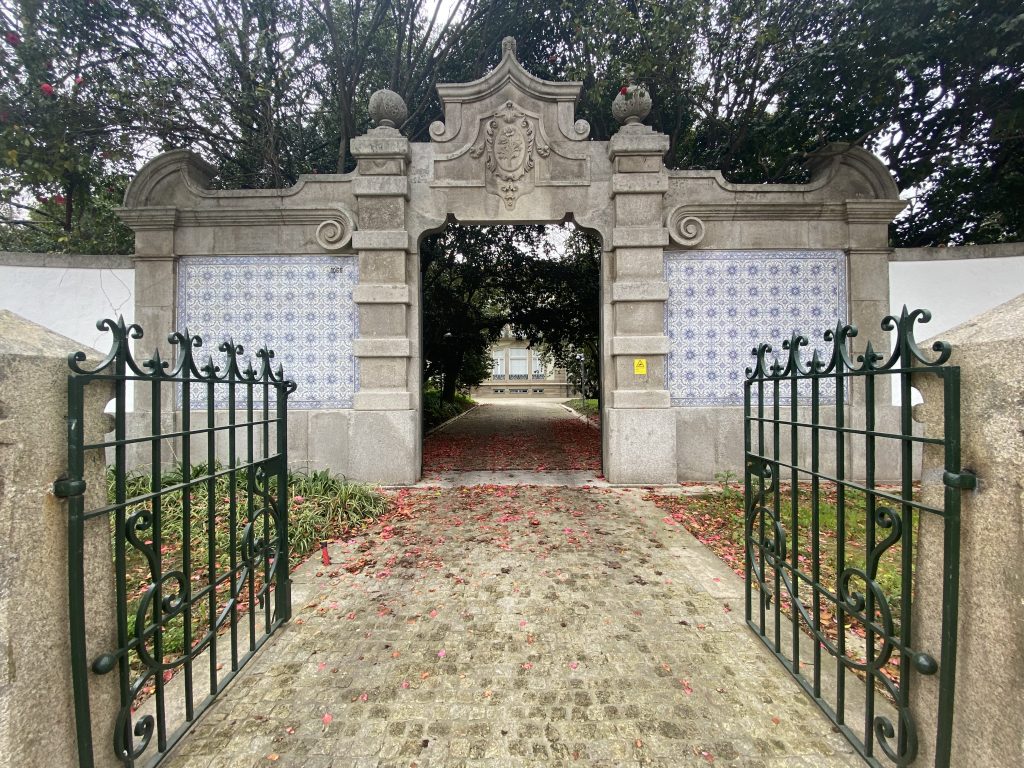
The appreciation of the collection goes through the preservation of the unity and integrity of the collection of documents which represent specific identities. It is also seen through a systematic treatment which aims to open and to make it available to national and foreign investigators and the public.
Fulfilling FLUP's own mission within the fields of research, education and liaison with the outside world, this Centre will support multifaceted and interdisciplinary study. This Centre will promote new readings of the works, currents of thought, Portuguese authors, and intellectuals literary and artistic ideas, not failing to emphasize their international relations and various influences.
It is important to point out that the defining and distinctive elements of this new cultural facility is the fact that it focuses on the reception and preservation of the collections in its entirety, study of which will allow us to know the life backgrounds and intellectual creation of its producers, in all its systematic complexity. This means that books, magazines, letters, memories, reports, drawings, paintings, sculptures, furniture, and others, are very different documents. However, they have a few common denominators - they belonged or were produced by certain people, who were used in their respective context in which their life took place. This variety of documents united by the personal background (or even family context) and action of their authors inserts perfectly in the systematic unit that involves it and gives it total sense.