Centre for Culture Studies in Portugal of the University of Porto
About us
“Casa dos Livros”
Centre for Culture Studies in Portugal of the University of Porto
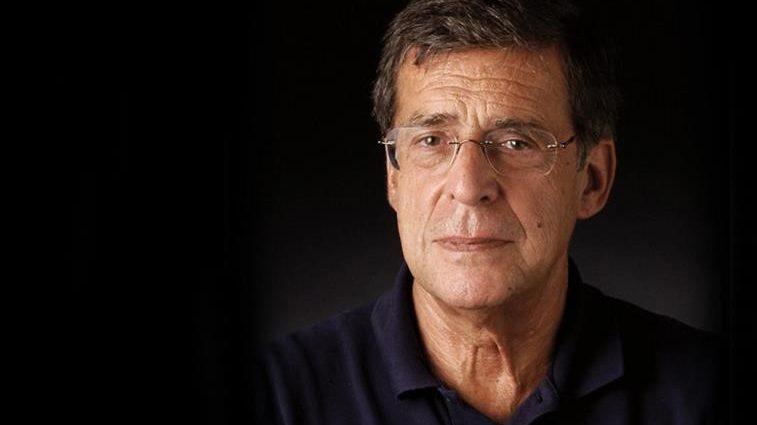
The Center for Culture Studies in Portugal of the University of Porto was established in the Organic Regulation of the Faculty of Letters of the University of Porto (FLUP) in 2017, following the delivery of Vasco Graça da Moura documentary collection to the faculty on a free-lease agreement. Regulamento Orgânico da Faculdade de Letras da Universidade do Porto (FLUP), em 2017, na sequência da entrega à Faculdade, em regime de comodato, do Acervo Documental de Vasco Graça Moura.
Therefore, in honor of the author of this founding legacy and its original background, FLUPs Executive Council decided to assign the name “Casa dos Livros” to the Centre for Culture Studies. This restores and re-signifies the name that Vasco Graça Moura had given to his work and creative space on the rural property Eira do Catavento (Almeirim municipality).
As a specialized technical service, this Study Center is headed by a professor appointed by the Dean of FLUP and, in all matters of technical order, directly reports to the Documentation and Information Services.
“For us, this agreement with the University of Porto’s Faculty of Arts and Humanities represents the most adequate way to preserve our father’s memory…”
– Vasco Graça Moura (son)
Mission
To support the study and promotion of the legacies, alongside with FLUP’s research units, by stimulating multidisciplinary perspectives and emphasizing the author’s cultural relevance and their texts, both at a national and international level;
To promote broad access and communication activities and appreciation of the collections under its care, namely through exhibits, free courses, literary meetings, guided tours, and other activities to promote the cultural dimension of the collections and, Portuguese literature in general;
To support collaborative initiatives with other institutions in the city and region that promote Portuguese literature within the multifaceted framework of Culture in Portugal;
To welcome nationals and foreigners who want to learn about the collections and multiple dimensions of Culture in Portugal which “Casa dos Livros” promotes.
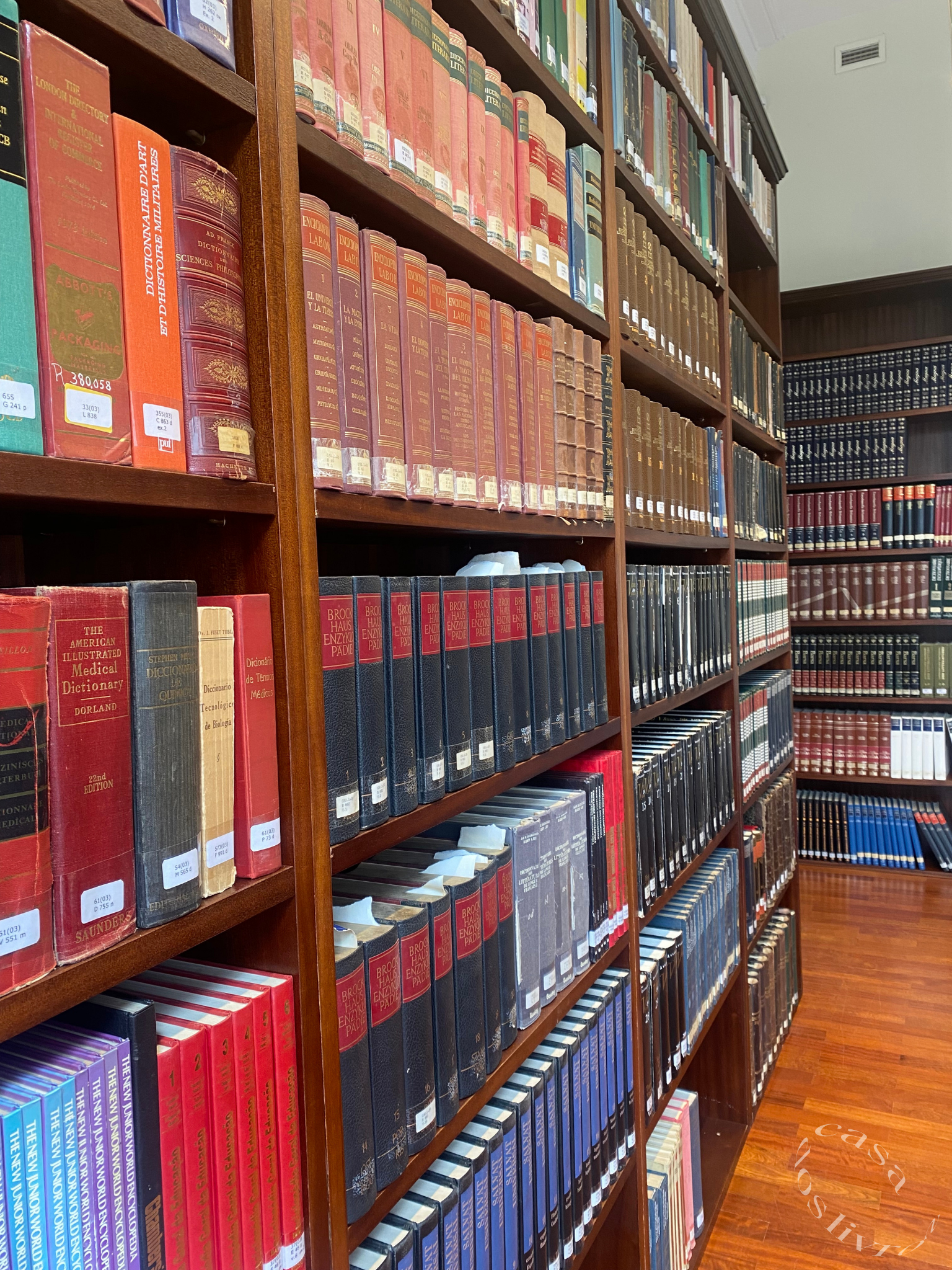
The appreciation of the collection goes through the preservation of the unity and integrity of the collection of documents which represent specific identities. It is also seen through a systematic treatment which aims to open and to make it available to national and foreign investigators and the public.
Fulfilling FLUP's own mission within the fields of research, education and liaison with the outside world, this Centre will support multifaceted and interdisciplinary study. This Centre will promote new readings of the works, currents of thought, Portuguese authors, and intellectuals literary and artistic ideas, not failing to emphasize their international relations and various influences.
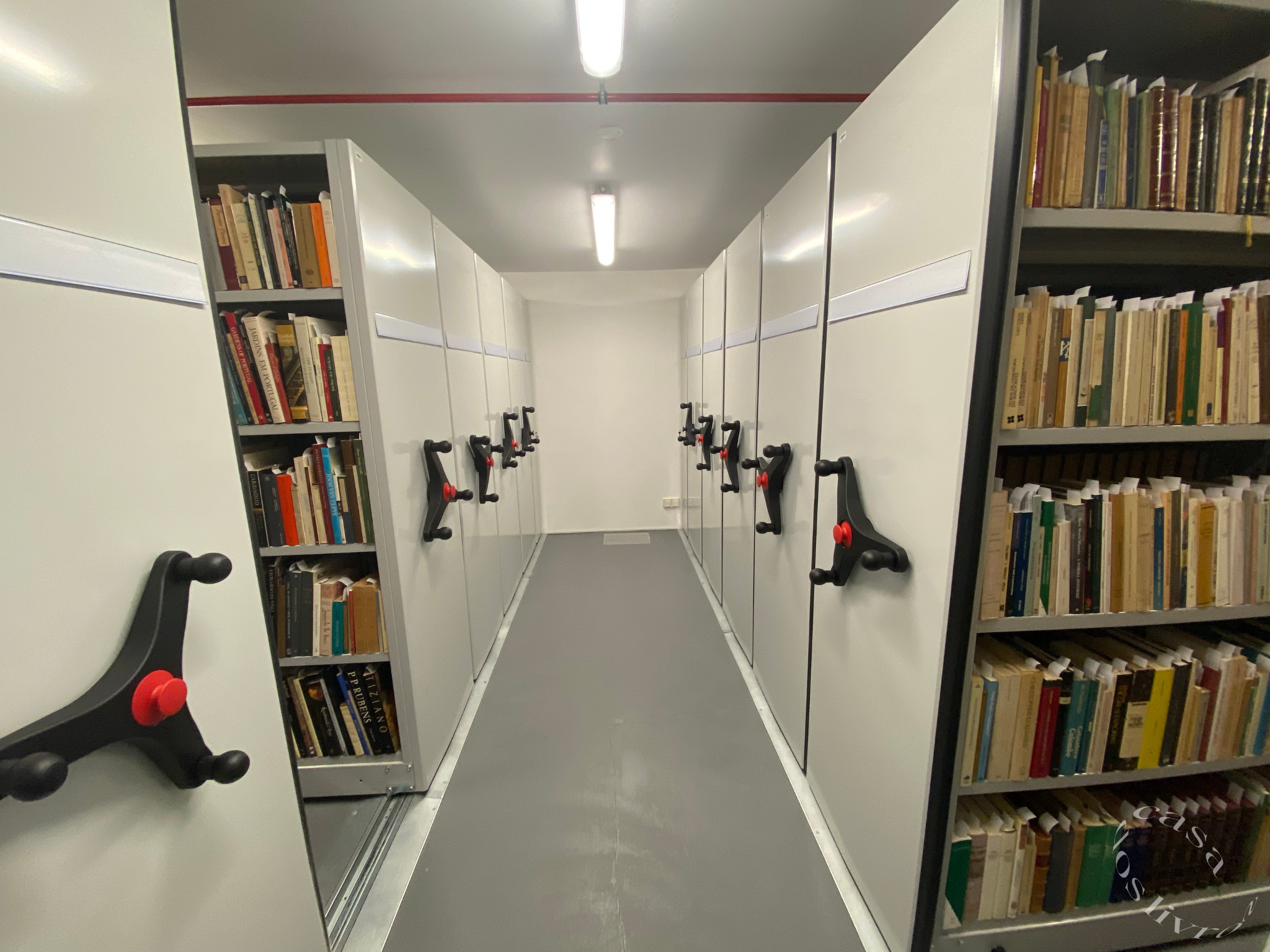
It is important to point out that the defining and distinctive elements of this new cultural facility is the fact that it focuses on the reception and preservation of the collections in its entirety, study of which will allow us to know the life backgrounds and intellectual creation of its producers, in all its systematic complexity. This means that books, magazines, letters, memories, reports, drawings, paintings, sculptures, furniture, and others, are very different documents. However, they have a few common denominators - they belonged or were produced by certain people, who were used in their respective context in which their life took place. This variety of documents united by the personal background (or even family context) and action of their authors inserts perfectly in the systematic unit that involves it and gives it total sense.
Collections
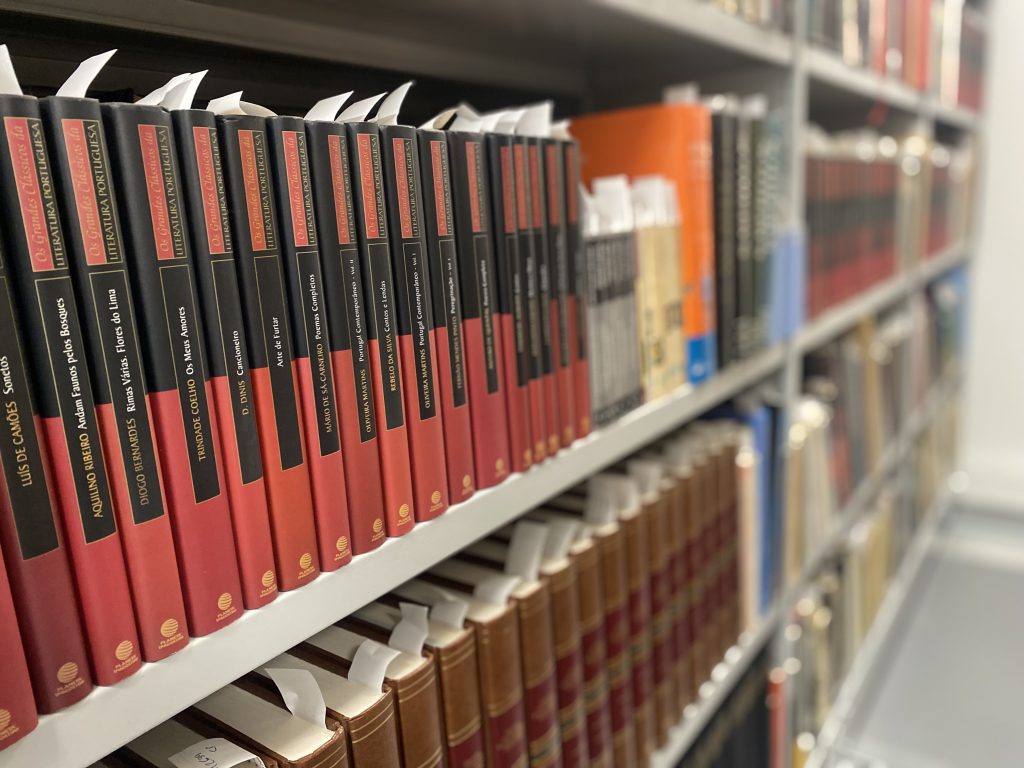
The creation of the Centre for Culture Studies in Portugal of the University of Porto is rooted in the legacy of Vasco Graça Moura[Porto, 1942 - Lisbon, 2014]. His entired collection (comprising books, magazines, manuscripts, documentation in multiple formats, and objects), originating from his “Casa dos Livros”, was entrusted to FLUP by his children under a commodatum agreement.
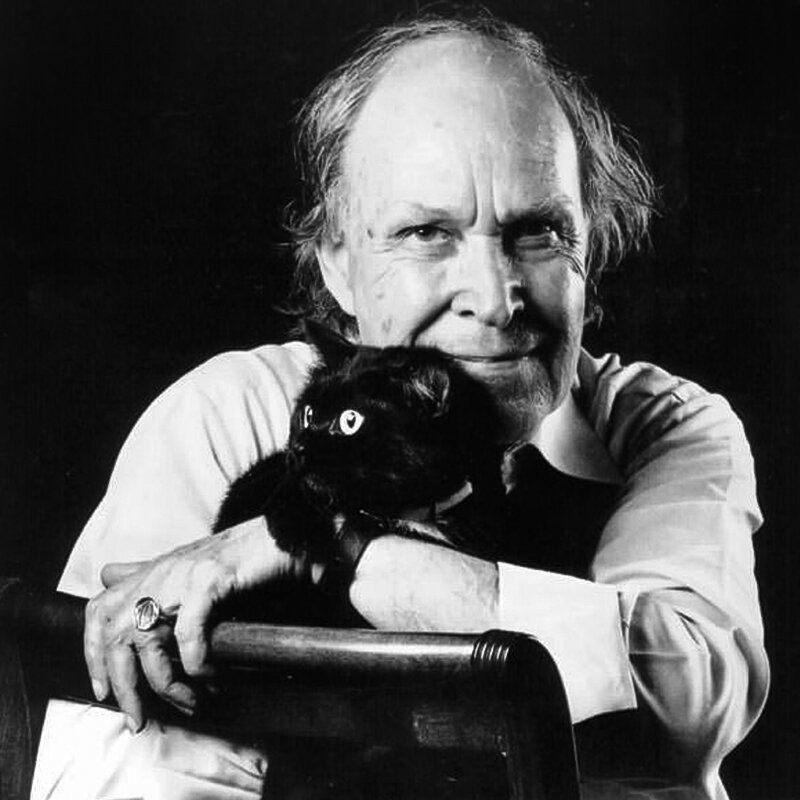
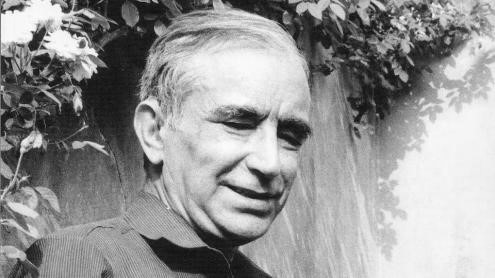
- Poet and painter, brother of José Régio and a prominent member of the presença -
Collection consisting of manuscripts and other materials related to the publication of his poetry books.
Consultation is subject to authorisation.

 Consult the Júlio Maria dos Reis Pereira Library catalogue HERE.
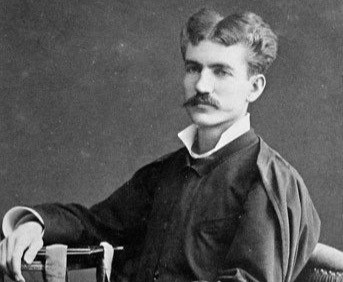
- Journalist and Writer -
Collection available in digital format, mainly manuscript documentation. Consultation is subject to authorisation from the Family. Undergoing technical processing.
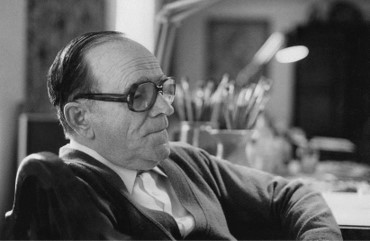
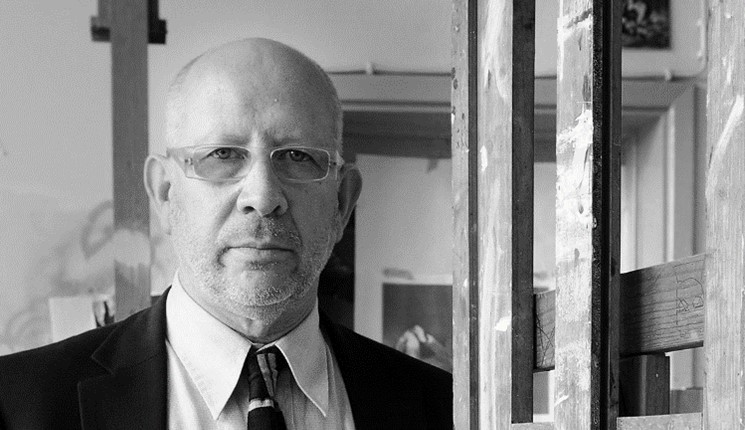
- Historian, Medievalist and Professor at FLUP -
Collection consisting of part of the personal library and private archive of Humberto Baquero Moreno.
Undergoing technical processing.
- Philosopher, Poet and Professor at FLUP -
Manuscripts and diverse materials, both unpublished and published.
Undergoing technical processing.
In parallel, Casa dos Livros has been incorporating books offered within the scope of its cultural activities. These donations led to the creation of its own library:
General Collection | Casa dos Livros
[Porto, 2022]
A continuously expanding library, composed of books donated to Casa dos Livros. It also makes available editions and co-editions published by Casa dos Livros.

Consult the Fundo Geral | Casa dos Livros Library catalogue HERE.
Building
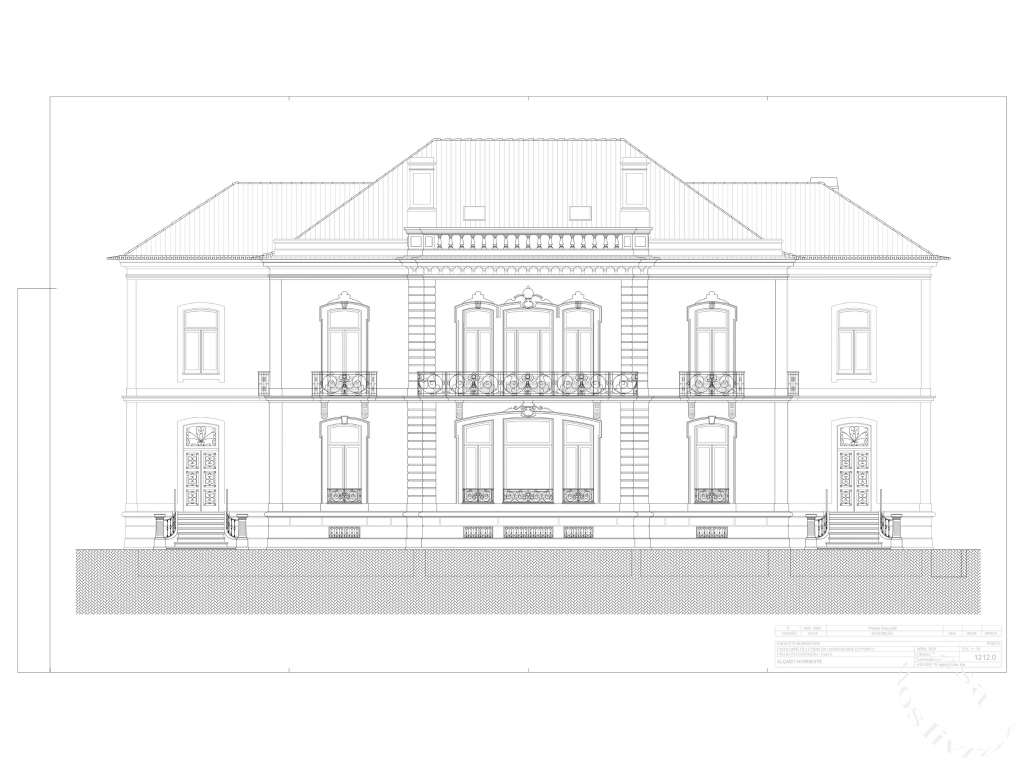
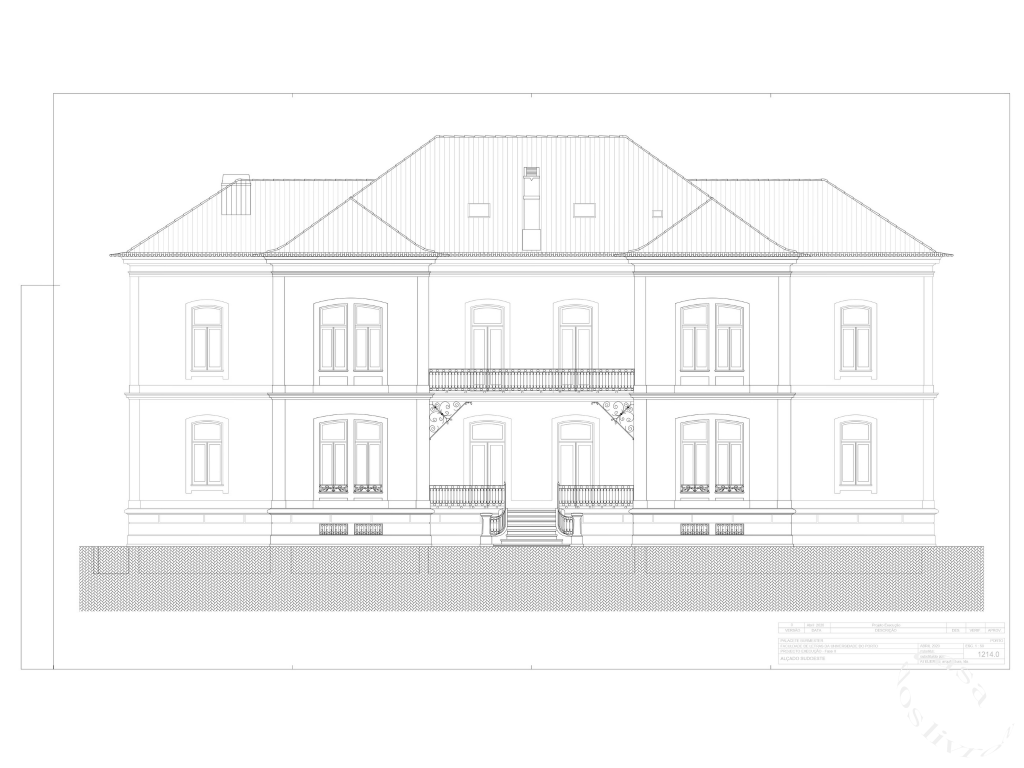
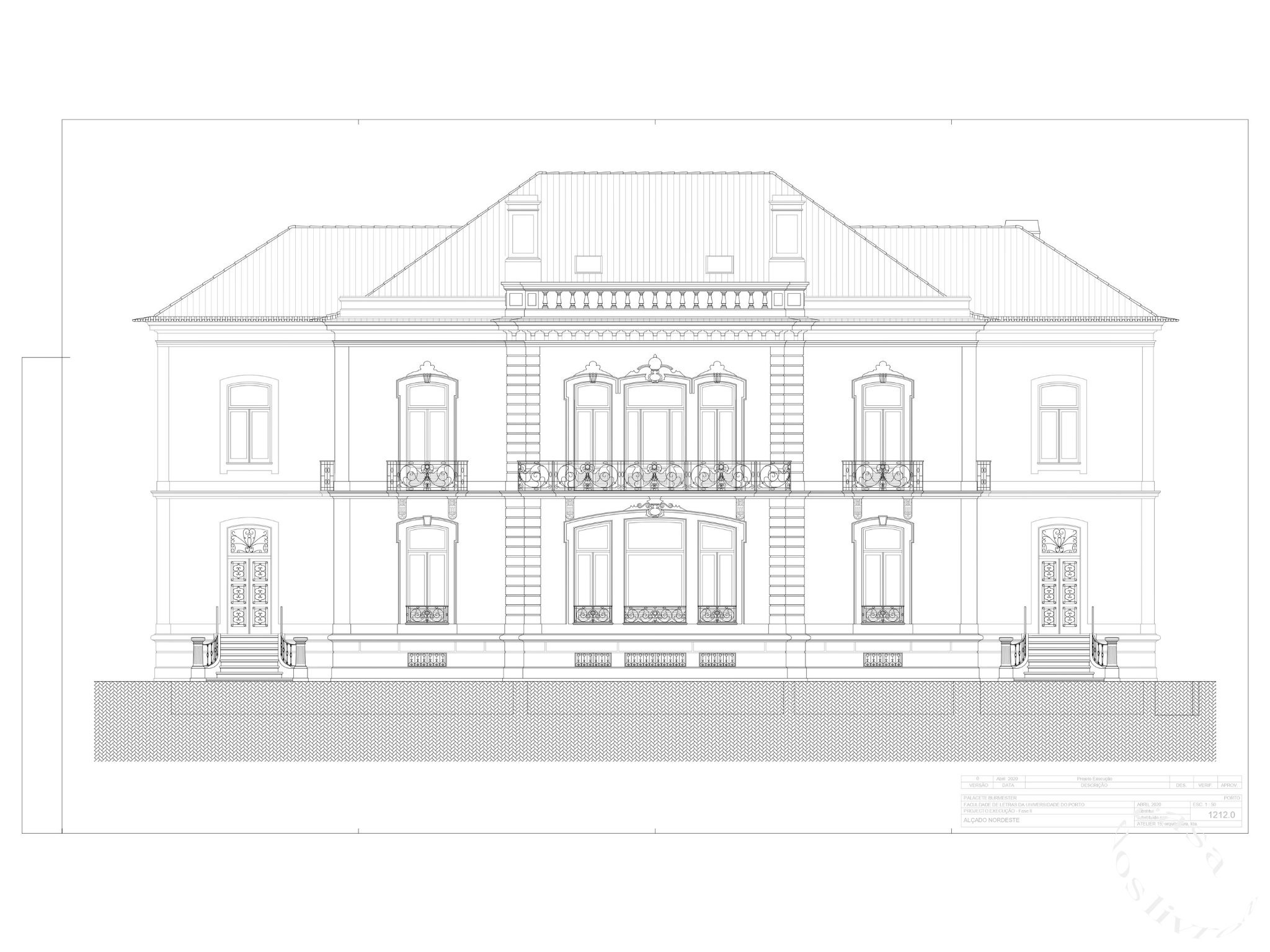
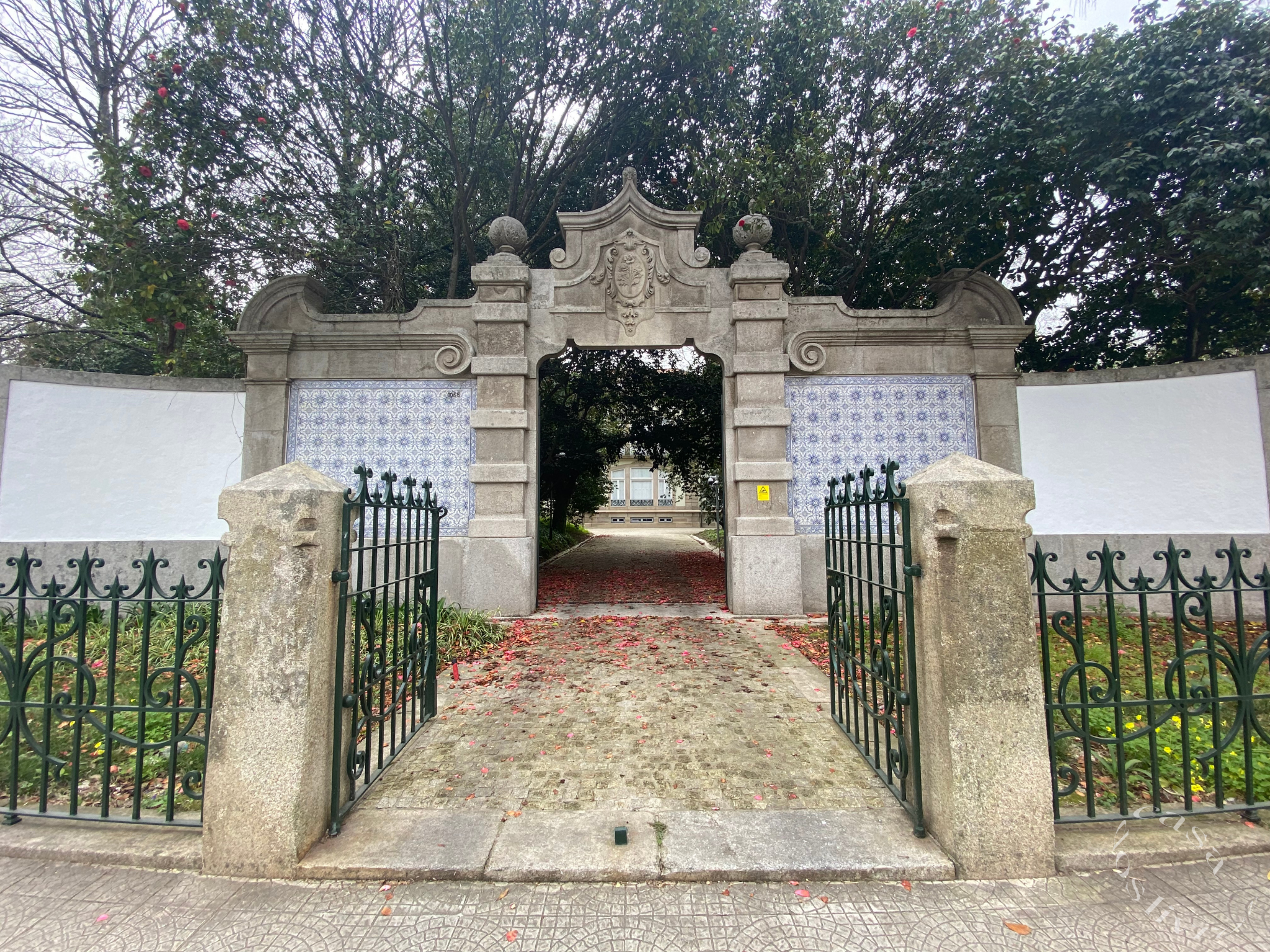
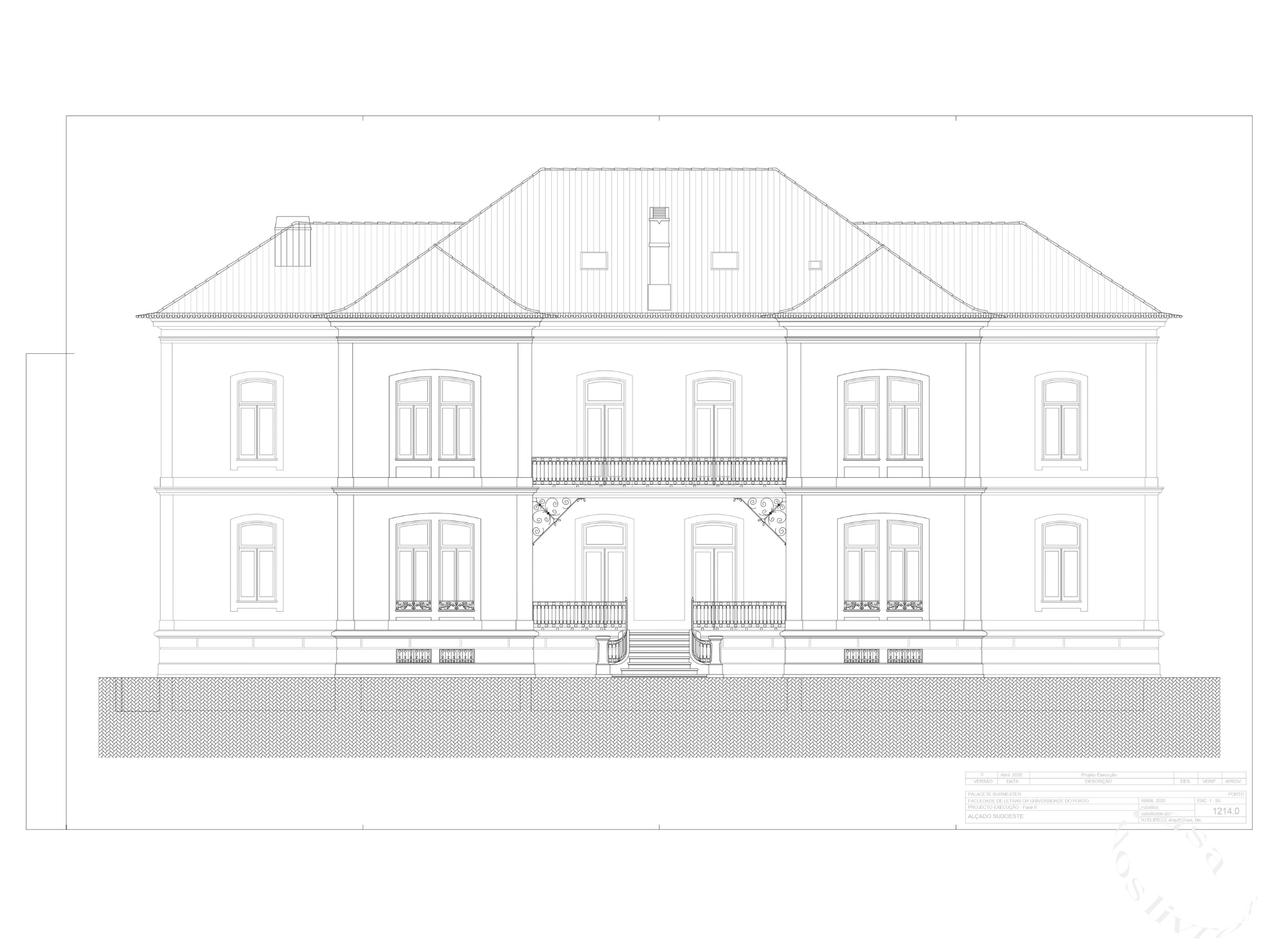
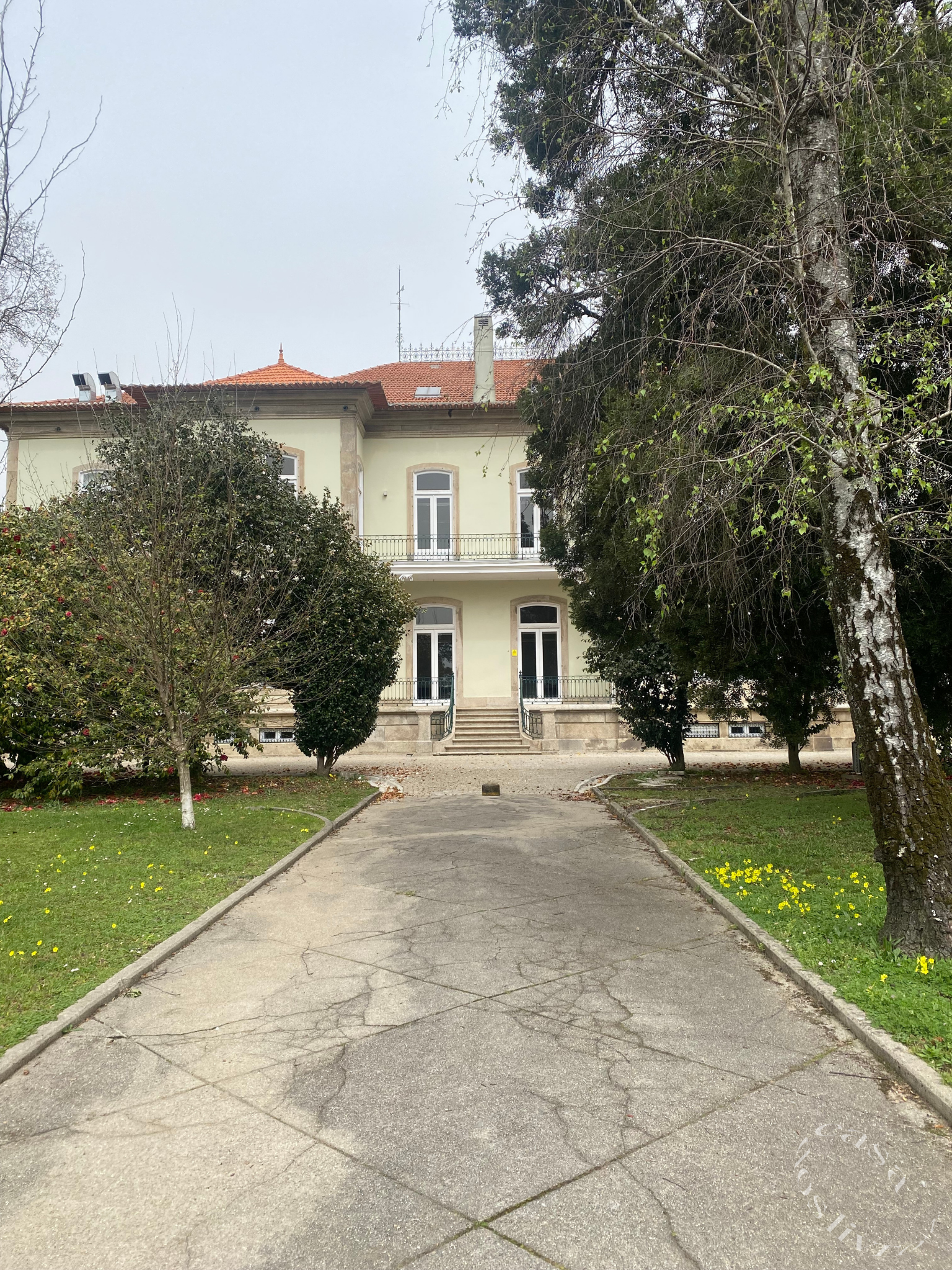
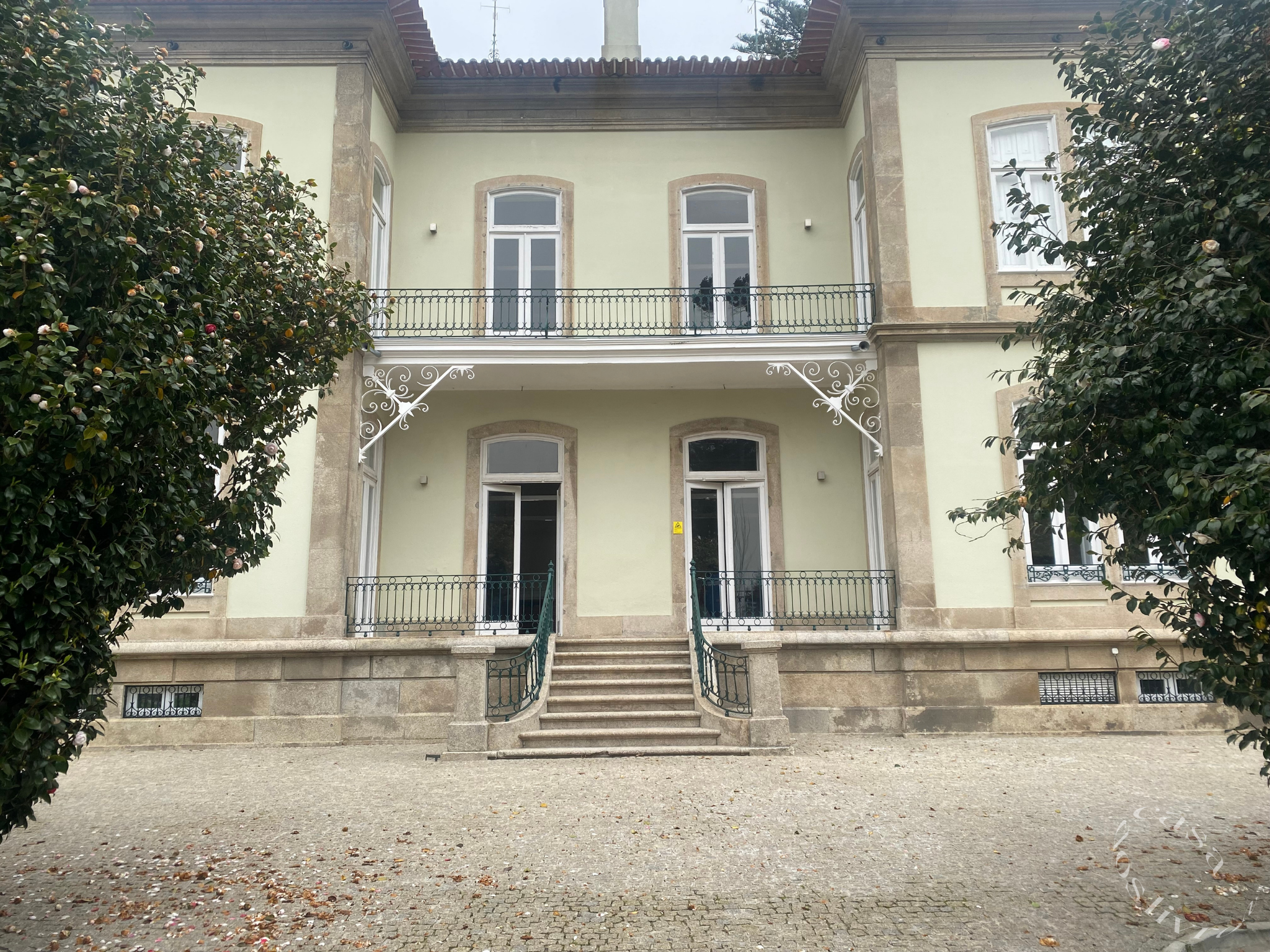
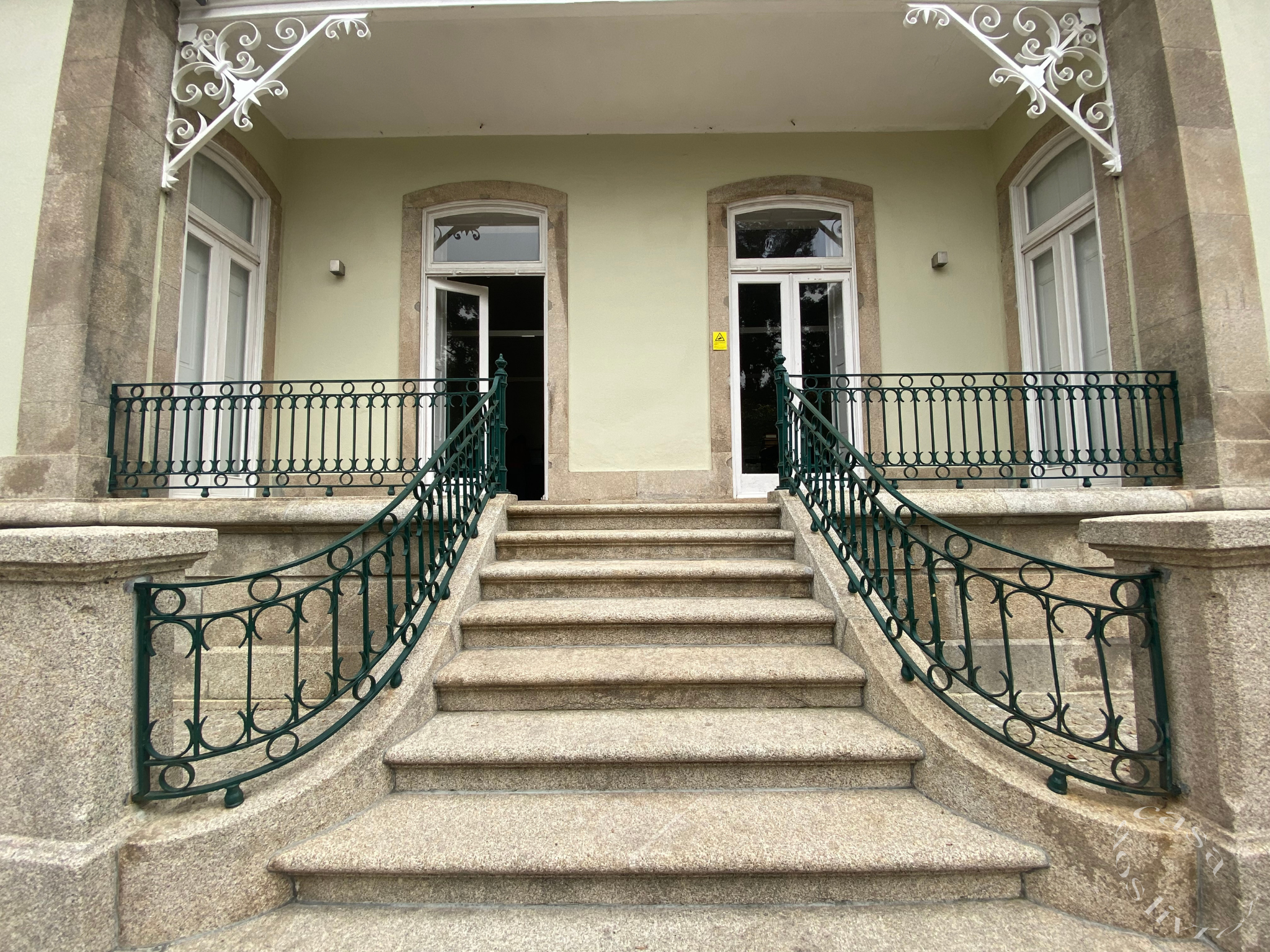
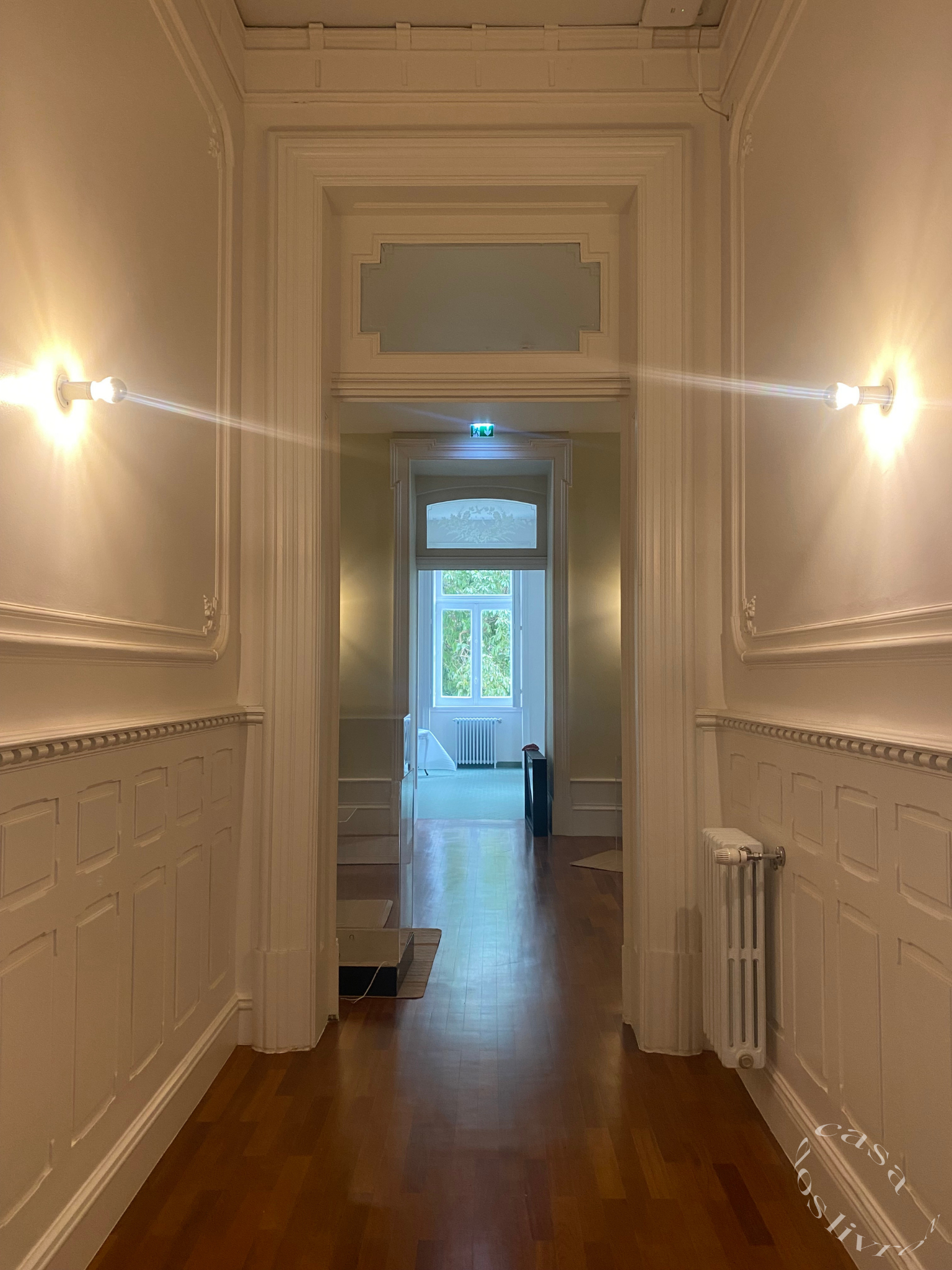
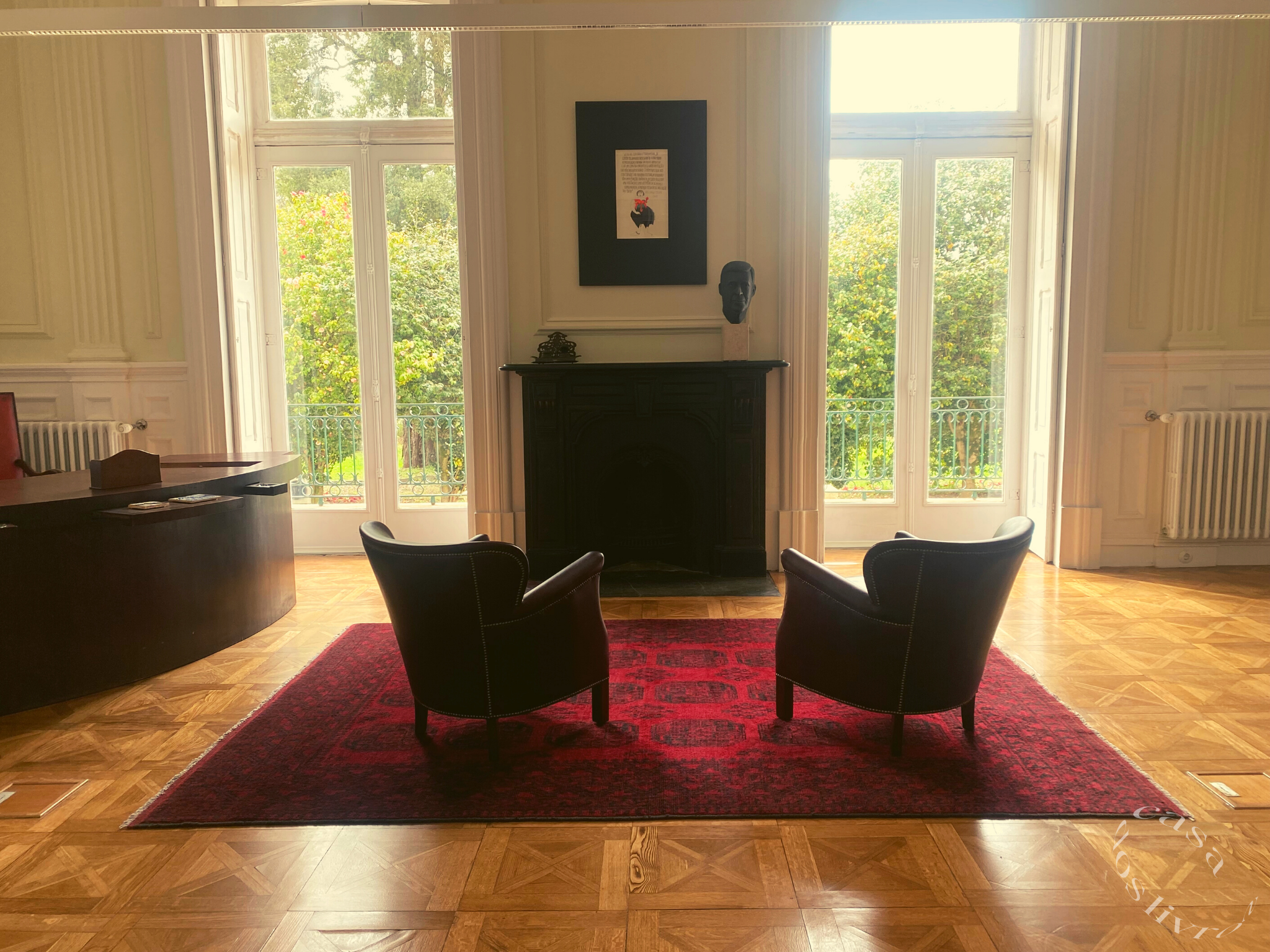
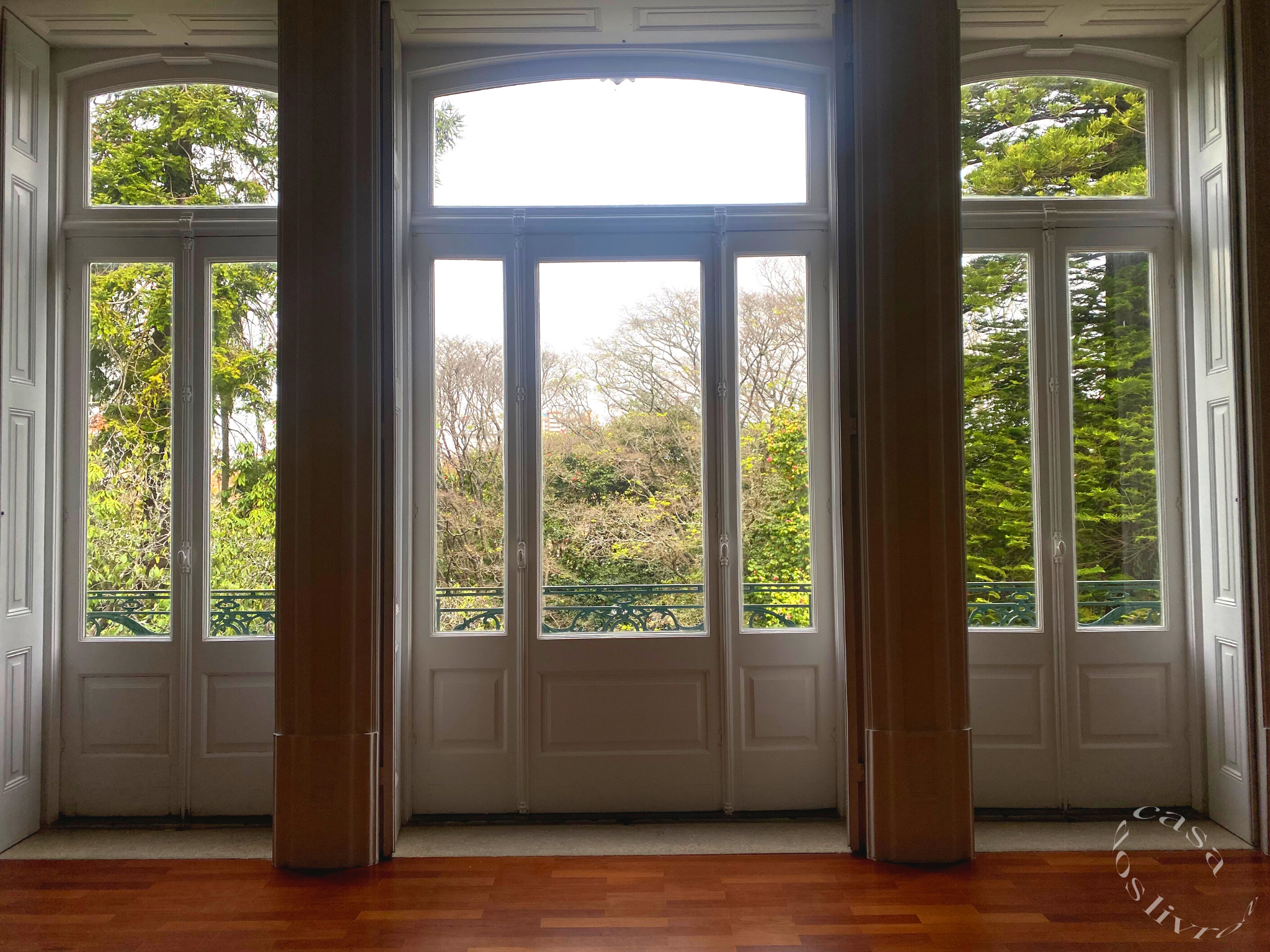
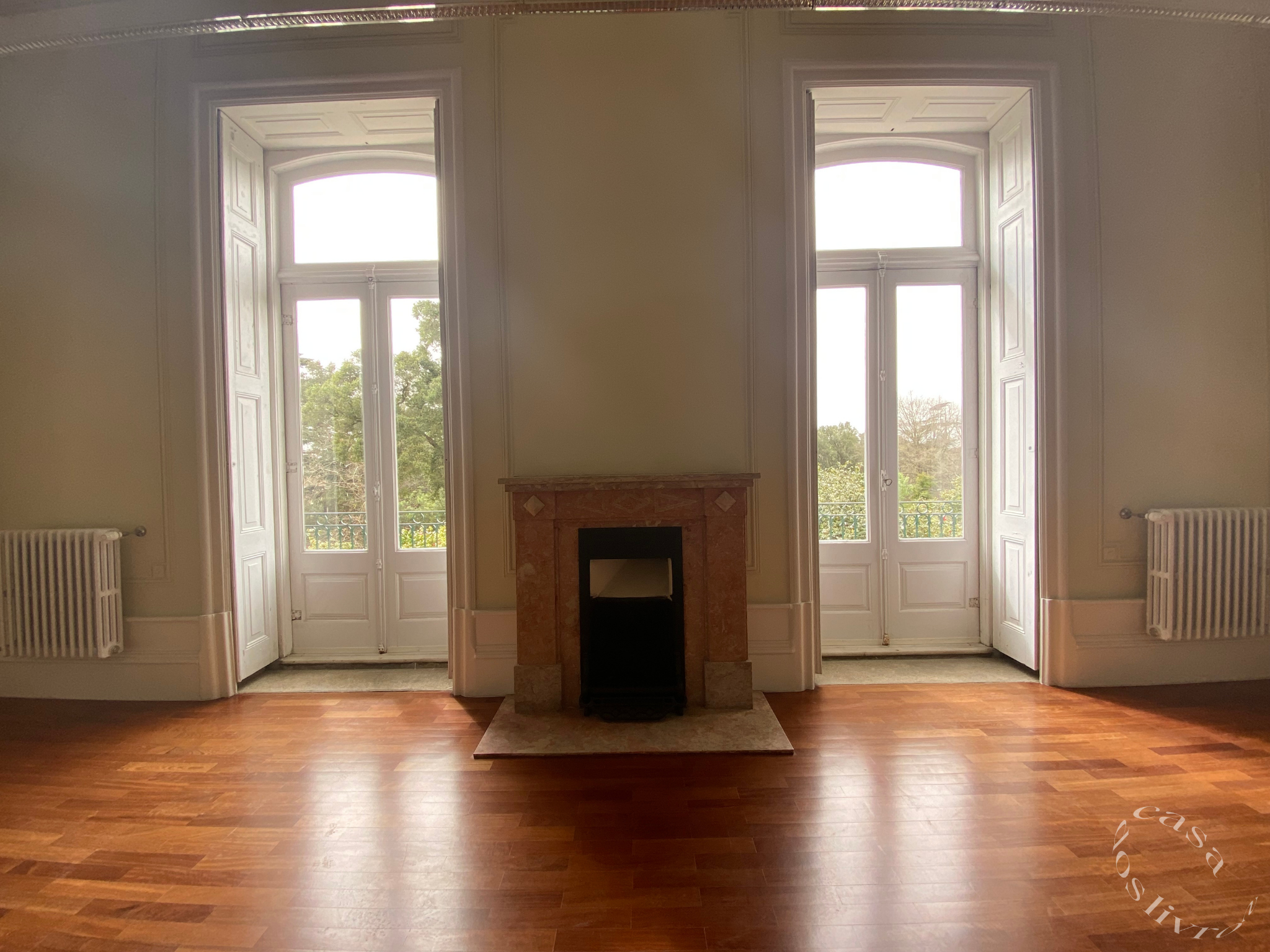
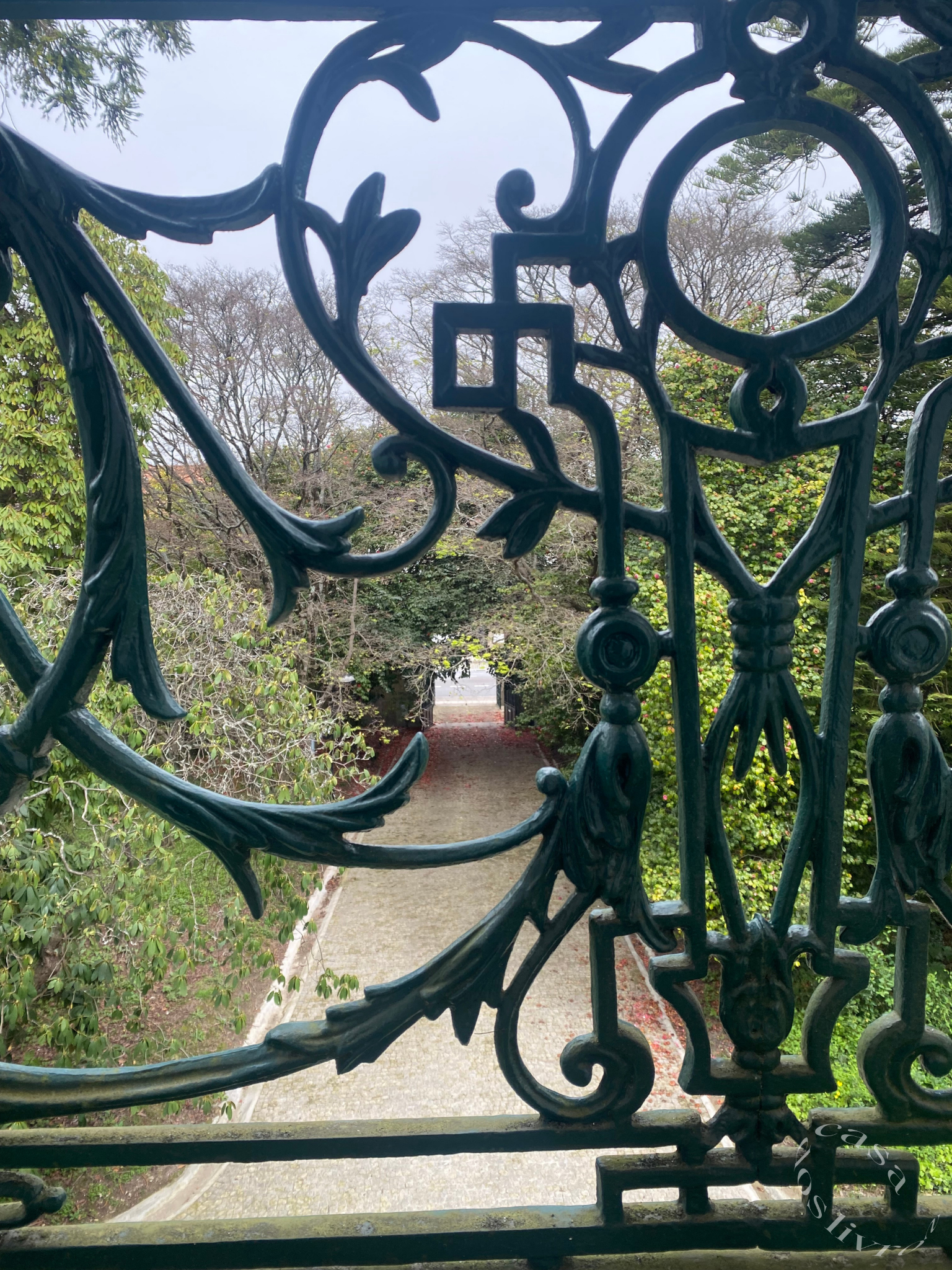
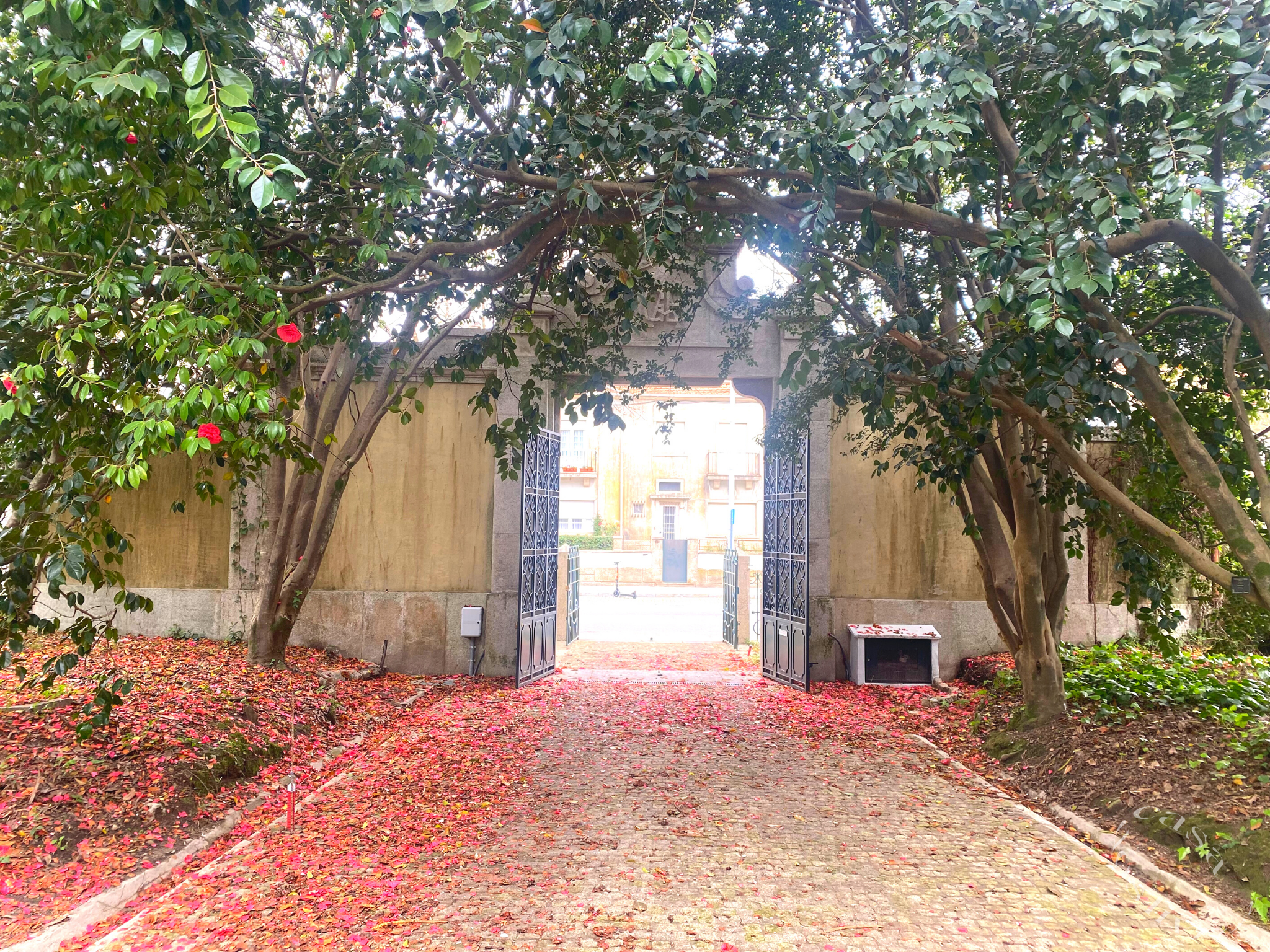
The Palacete Burmester
North-east ElevationSouth-west Elevation
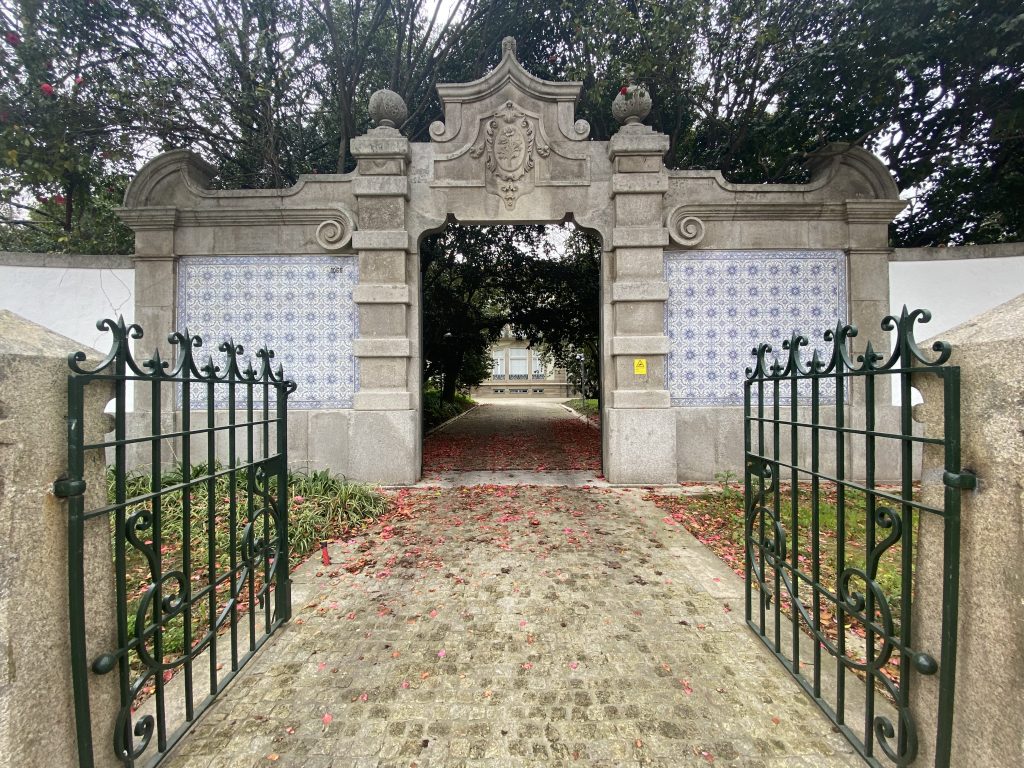
In the Campo Alegre area during the late 18th century, the Quinta Grande stood out as a prominent estate. The property was acquired in 1802 by the French physician Jean Pierre Salabert, subsequently becoming known as Quinta do Salabert. This vast estate was later subdivided into several properties, giving rise to—among others—the Casa Andresen (now the Hall of Biodiversity), the Palacete Burmester (now the Casa dos Livros | Centre for Culture Studies in Portugal of the University of Porto), and the house of Councillor Pedro Maria da Fonseca Araújo, which was later purchased by Primo Monteiro Madeira and is thus known as Casa de Primo Madeira (currently the Porto University Club).
In the closing years of the 19th century, number 621 Rua do Campo Alegre consisted primarily of a tract of farmland known as “Campo Alegre”, held under a long-term lease from the Priory of Cedofeita. The land, the caretaker’s cottage, the water well with its pumping mechanism, …, it all belonged to Eduardo Alves da Cunha and Ana Luísa Marques de Oliveira Cunha. These owners resided in Rua de Cedofeita and frequently at their estate in Santo Tirso[1].
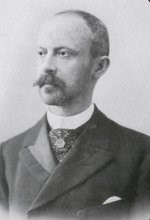
In 1896, another couple expressed interest in the property, acquiring it on 11 May for the sum of two “contos de réis”[2]. He, Gustav Adolf Burmester (1852–1940), was born in Porto, the son of Johann Wilhelm Burmester and Nanny Burmester, and was a merchant and manager of the firm J. W. Burmester. She, Maria Henriqueta Leite Guedes (1864–1946), was born in Presegueda (Peso da Régua), the daughter of Ana Filomena Leite Guedes and Henrique Pereira de Souza Guedes — a High Court Judge (Juiz Desembargador) at the Peso da Régua Court, owner of a Port-producing estate, a monarchist politician, and a Peer of the Realm[3].
Gustav Adolf Burmester (1852-1940)
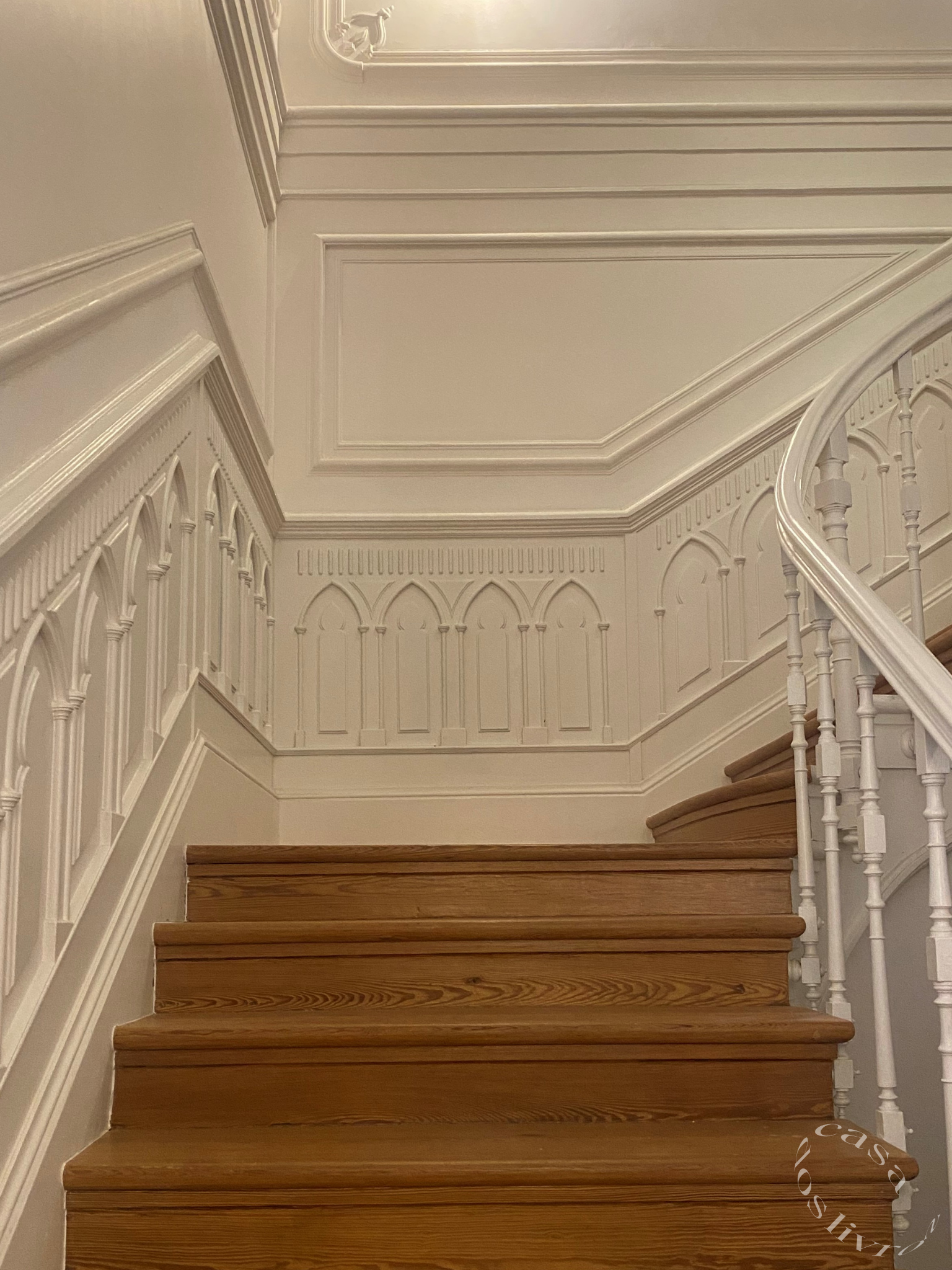
A year later, on 5 March 1897, the Porto City Council granted them a building permit for a residential house[4]. Designed by engineer José Estêvão Parada e Silva Leitão and executed by master builder Manuel Francisco Ferreira, its architecture follows the «French Beaux-Arts school» in vogue in 19th-century Porto. It thus shares characteristics with several late 19th-century buildings in the city, yet stands out for its «more enclosed character», hidden from passers-by by «high, solid boundary walls»[5].
The death of the building's original owners in the 1940s paved the way for profound changes to the house, which took place mainly in the 1950s. These involved both its ownership (passing from the Burmester family to the State, and then from the State to the University of Porto) and its intended purpose[6]. Nevertheless, these transformations did little, if anything, to diminish the beauty, charm, and heritage value of the space. On 3 February 2006, the building was proposed as a property of heritage interest under the Porto Municipal Master Plan (PDM) Heritage Charter[7].
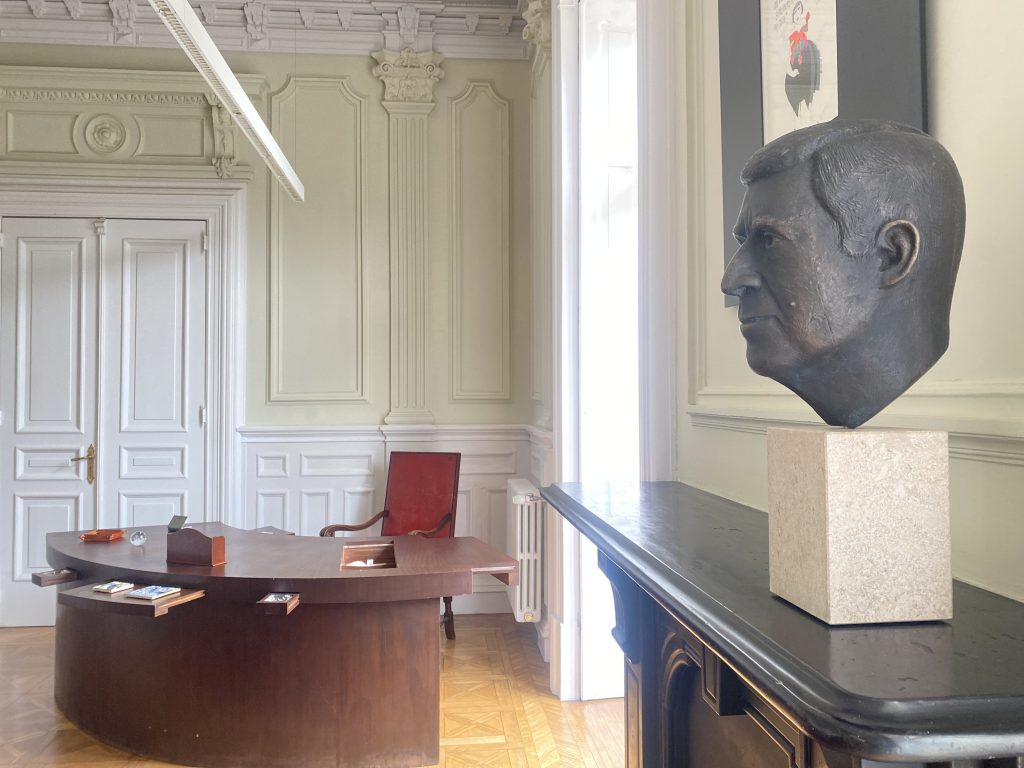
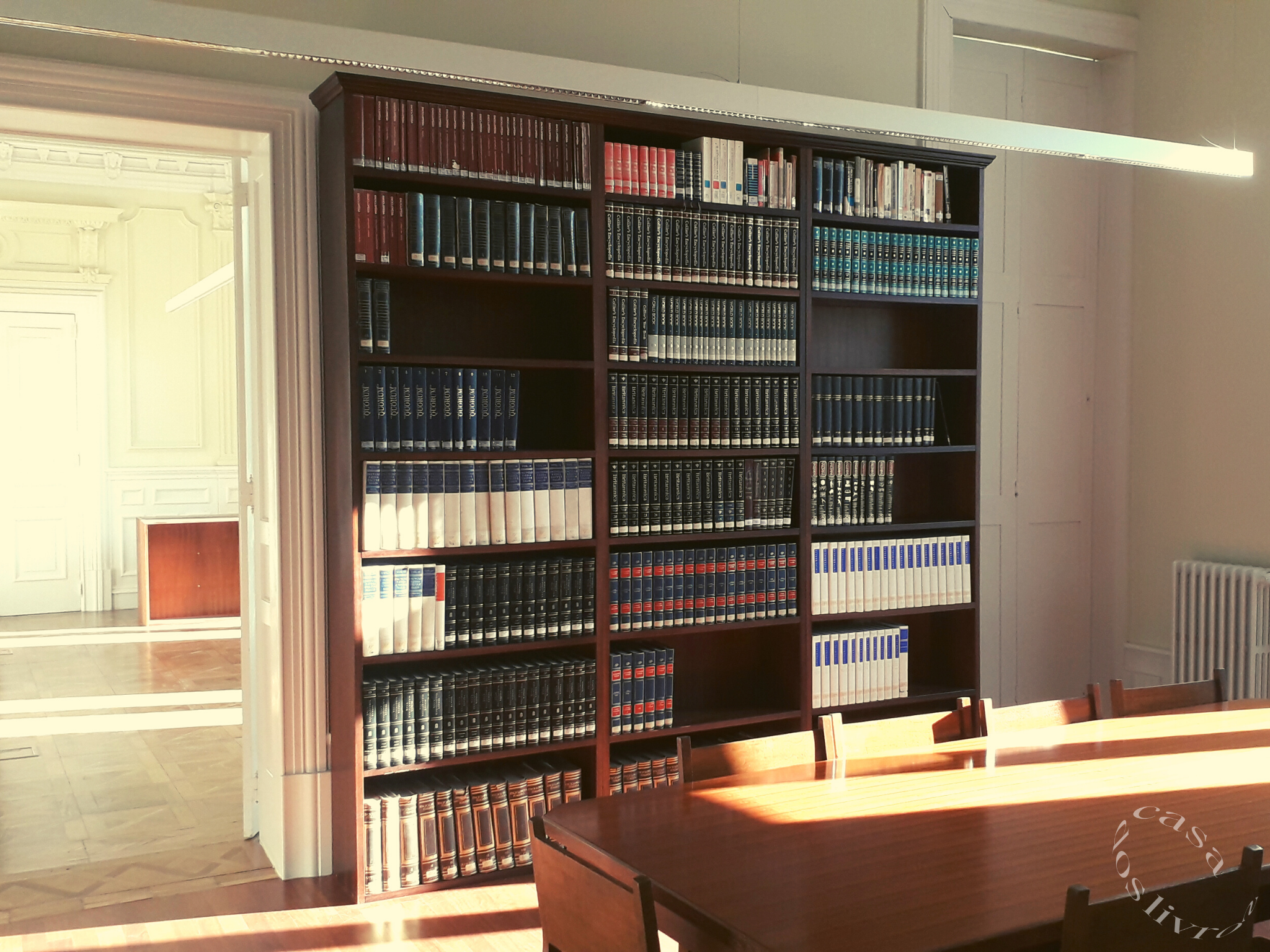
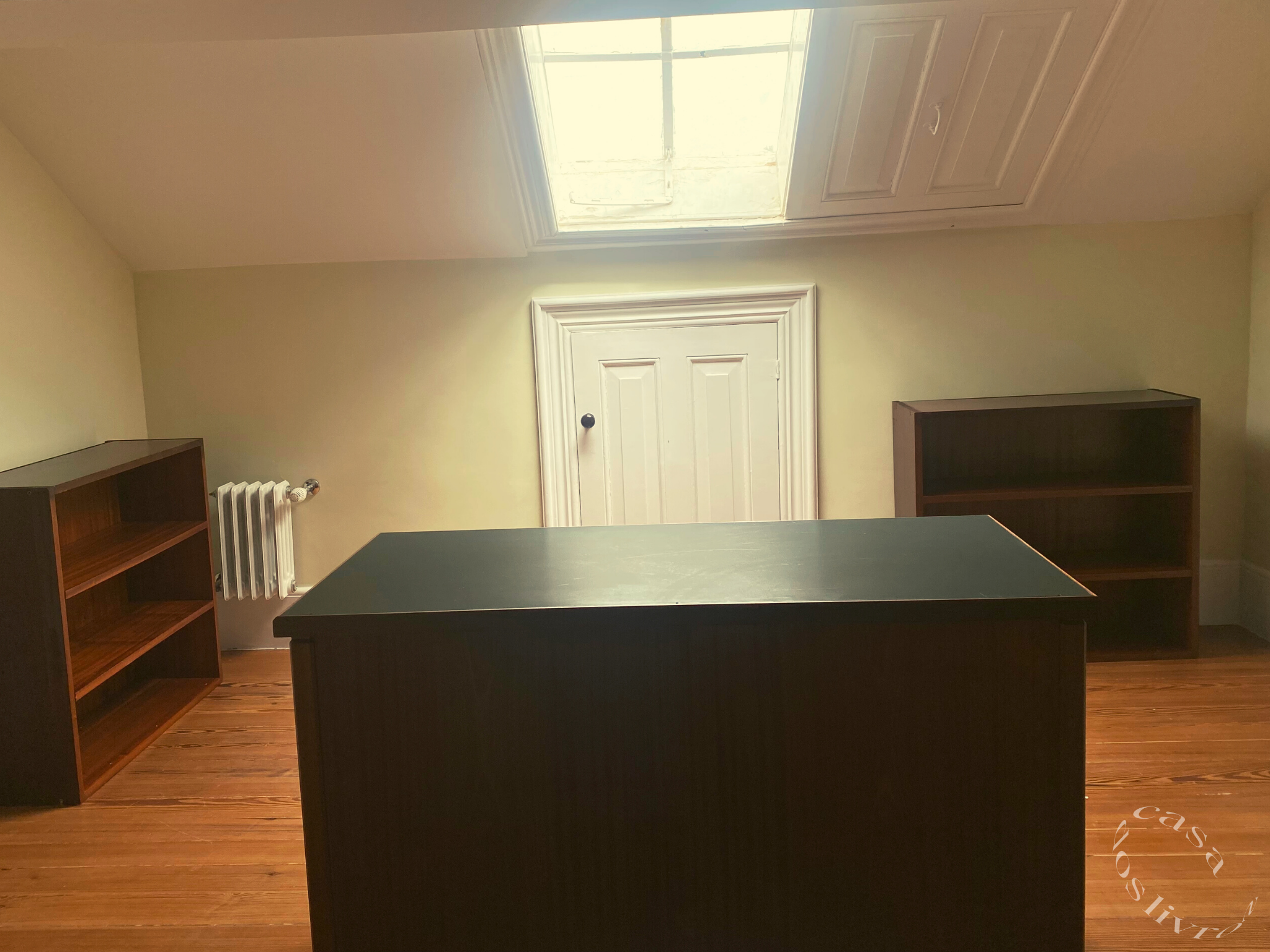
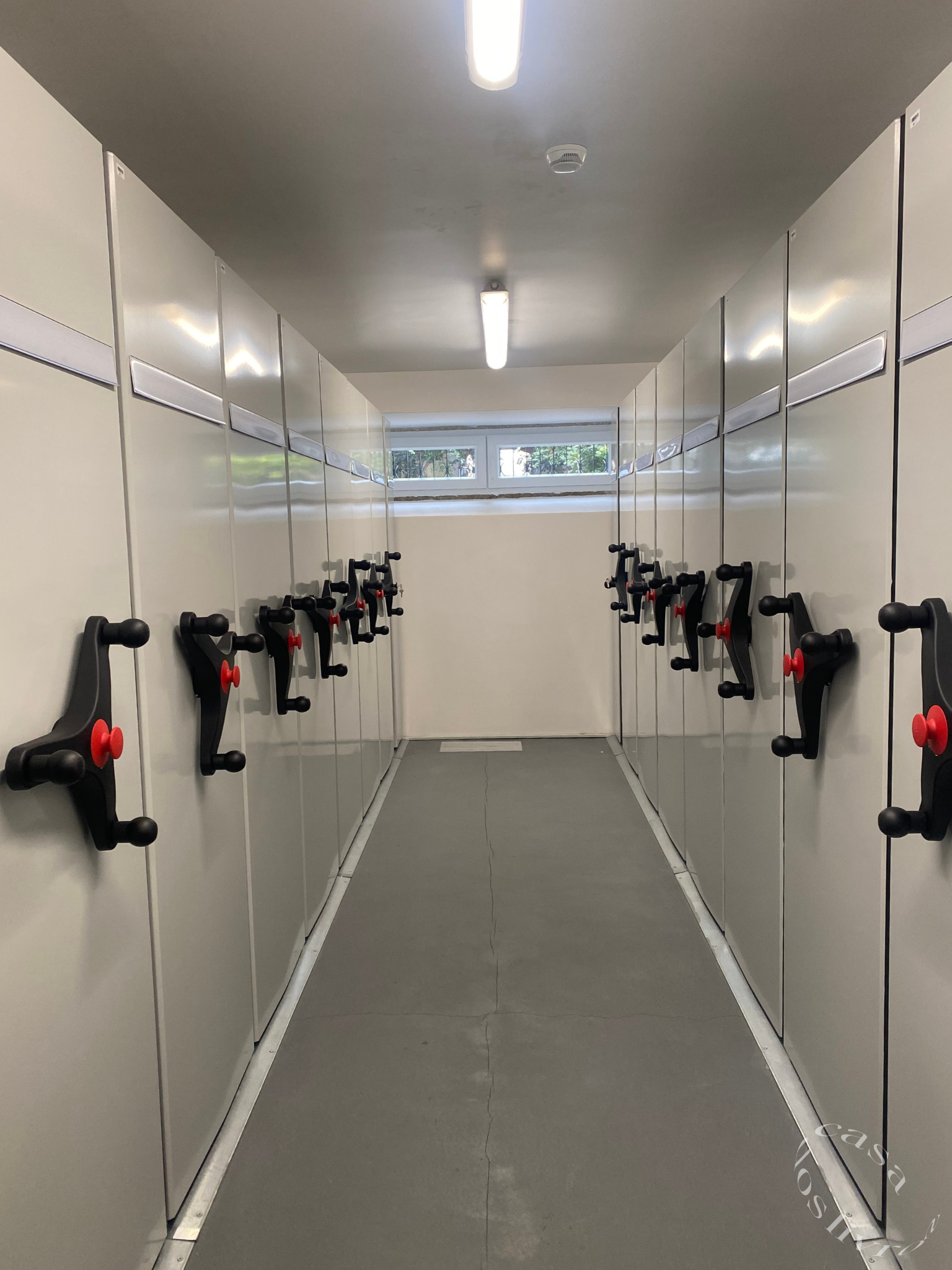
A new model for the preservation and dissemination of personal collections — primarily focused on safeguarding the integrity of the holdings — was at the heart of the recent renovation of this space, a project led by architects Alexandre Alves Costa and Sérgio Fernandez (of Atelier 15, Arquitectura, Ldª.). The former family residence, which housed the Faculty of Arts and Humanities of the University of Porto upon its refoundation in 1961, has now been transformed into a centre for Portuguese culture.
[3] AHMP – [Marriage record of Gustavo Adolph Burmester and Maria Henriqueta Leite Guedes], ref.: TG-a/654, f. 6v-7v; GRAÇA, Manuel de Sampayo Pimentel Azevedo – Construções de elite no Porto (1805-1906), Volume I (text). Porto: [Author’s Ed.], 2004, pp. 156-157.
[5] GRAÇA, Manuel de Sampayo Pimentel Azevedo – ob. cit, Volume I (text), p. 156 and 159. For a more detailed and technical description of the building's architecture, see: Idem, ibidem, Volume II (analytical catalogue), pp. 566-585.